

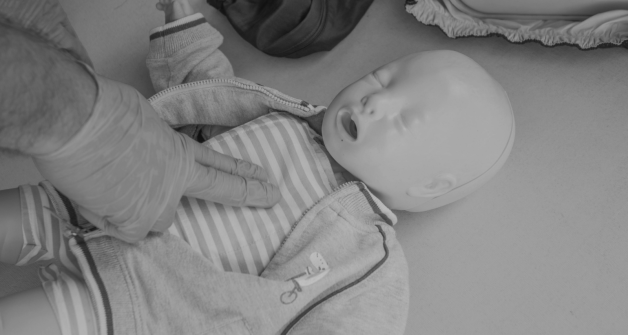
Learn what is paediatric first aid, why it’s important, and how training gives parents, carers, and childcare professionals life-saving skills.
Introduction
Children are naturally curious, full of energy, and often unaware of the dangers around them. As a result, accidents and medical emergencies are more common than we might like to think. From minor bumps and bruises to serious incidents like choking, burns, or allergic reactions, situations can escalate quickly – and knowing what to do in those crucial first moments is vital.
This is where paediatric first aid comes in. If you’ve ever wondered what is paediatric first aid, it’s a type of first aid specifically designed for infants and children, taking into account their different anatomy, smaller size, and unique medical needs. It covers everything from performing CPR on a baby to recognising the signs of an asthma attack or seizure.
For parents, carers, and anyone working with children, having paediatric first aid training isn’t just useful – it provides peace of mind and, in many cases, is a legal requirement. Most importantly, it equips you with the knowledge and confidence to act quickly and effectively in an emergency, potentially saving a child’s life.
What Is Paediatric First Aid?
Paediatric first aid is the immediate care given to infants and children who are injured or suddenly unwell, before professional medical help is available. When people ask what is paediatric first aid, the answer is that it focuses on recognising and responding to emergencies that are more likely to affect young people, such as choking, breathing difficulties, allergic reactions, or head injuries.
The key difference between paediatric first aid and general first aid lies in the age group it covers. Paediatric training is tailored for babies (under one year old) and children (up to puberty), ensuring techniques such as CPR, choking response, and the recovery position are carried out in ways that are safe and effective for smaller bodies.
In short, paediatric first aid equips you with the practical skills to protect children’s health and safety in everyday settings – whether that’s at home, in the classroom, on the playground, or during after-school activities.
Why Is Paediatric First Aid Important?
Children are more vulnerable to accidents and illnesses than adults. Their smaller size, developing immune systems, and natural curiosity mean that situations can escalate quickly if the right help isn’t given straight away. Something as simple as choking on a piece of food, a severe allergic reaction, or a hard fall in the playground can become life-threatening within minutes.
Understanding what is paediatric first aid is crucial because it ensures the person caring for a child knows how to act confidently in those critical moments. Quick, calm, and correct action can save a life, reduce the severity of an injury, and provide comfort and reassurance to both the child and those around them.
It’s also about responsibility. In many childcare and education settings, paediatric first aid training is not only recommended but a legal requirement. Parents, too, can benefit enormously from the peace of mind that comes with knowing they could help their child in an emergency.
Ultimately, paediatric first aid is important because it provides the skills, knowledge, and confidence to protect the wellbeing of children when they need it most.
Common Emergencies Covered by Paediatric First Aid
Children are naturally more prone to accidents and sudden illness. Their smaller size and developing bodies mean that even everyday mishaps can quickly become serious if the right action isn’t taken. Paediatric first aid equips you with the knowledge and confidence to handle these situations calmly and effectively.
Some of the most common emergencies where paediatric first aid makes a difference include:
- Choking – particularly common in young children who explore the world through food and small objects.
- Head injuries – whether from a tumble at home, a fall in the playground, or a sports mishap.
- Fevers – caused by sudden spikes in temperature, which can be frightening for both children and carers.
- Burns and scalds – often from hot drinks, cooking, or accidental contact with appliances.
- Allergic reactions – ranging from mild skin irritation to severe anaphylaxis requiring immediate intervention.
- Cuts and bleeding – from minor scrapes to more significant wounds that need proper control.
Knowing how to respond in these moments can not only reduce the severity of the injury or illness but, in some cases, save a child’s life. For parents, it brings peace of mind; for childcare professionals, it’s an essential skill and often a legal requirement.
What Does Paediatric First Aid Cover?
Paediatric first aid training is designed to prepare you for the emergencies most likely to affect infants and children. Courses are hands-on, practical, and focused on building confidence so you know exactly what to do if a child becomes unwell or injured.
Typical areas covered include:
- CPR for babies and children – learning the correct techniques for different age groups.
- Choking response – how to safely clear a child’s airway if they are choking.
- Dealing with head injuries – spotting the difference between a mild bump and a more serious injury.
- Managing fevers and febrile seizures – knowing how to keep a child safe during an episode.
- Burns and scalds – treating the affected area quickly to prevent complications.
- Allergic reactions and anaphylaxis – recognising symptoms and safely using an auto-injector (EpiPen).
- Cuts and bleeding – controlling bleeding and caring for wounds to reduce the risk of infection.
- Other common emergencies – such as asthma attacks, poisoning, or fractures.
By covering these topics, paediatric first aid training ensures that parents, carers, and childcare professionals are ready to act with confidence in a wide range of real-life situations.
Who Needs Paediatric First Aid Training?
While paediatric first aid is valuable knowledge for anyone, there are certain groups of people who benefit from it most:
- Parents and guardians – knowing how to respond if your child chokes, has a fever, or suffers a fall provides peace of mind at home.
- Childcare providers – nurseries, preschools, and childminders are legally required to have staff trained in paediatric first aid under the Early Years Foundation Stage (EYFS) framework.
- Teachers and school staff – especially those supervising younger children or involved in sports and playground activities.
- Babysitters and nannies – parents feel more confident leaving their child with someone who has first aid skills.
- Sports coaches and activity leaders – anyone running clubs, sports, or community groups for children should be prepared for accidents.
In short, understanding what is paediatric first aid and taking training isn’t just for professionals – it’s a valuable life skill for anyone who spends time caring for or working with children.
Legal Requirements for Paediatric First Aid
In the UK, paediatric first aid isn’t just recommended – in many childcare settings, it’s a legal requirement. The rules are in place to make sure children are cared for in safe environments where trained adults can step in during an emergency.
Key requirements include:
- Ofsted and EYFS (Early Years Foundation Stage) framework – all early years providers, such as nurseries, preschools, and childminders, must have staff with valid paediatric first aid training. At least one person with training must be available at all times when children are present.
- Employer responsibilities – businesses working with children are required to ensure their staff have the appropriate level of first aid training to keep children safe.
- Renewal and refresher training – paediatric first aid certificates typically last for three years, after which refresher training is needed to stay compliant and up to date with best practice.
While parents aren’t legally obliged to take paediatric first aid training, many choose to because it provides confidence and reassurance when caring for their own children.
Benefits of Learning Paediatric First Aid
Learning paediatric first aid provides much more than just compliance with legal requirements – it equips you with practical skills and confidence that can make a real difference in an emergency. One of the biggest benefits is the ability to respond calmly and effectively when a child is injured or unwell. Knowing what to do reduces panic and ensures the child receives the right care as quickly as possible.
Paediatric first aid training also creates safer environments for children. Trained carers are better prepared to prevent accidents from escalating and can manage situations like burns, cuts, or allergic reactions with confidence. For parents and guardians, having this knowledge brings peace of mind, knowing they are equipped to protect their child if an emergency occurs.
For those working in childcare, completing paediatric first aid training enhances employability. Many childcare roles require this certification, making it an important qualification to hold. Beyond professional advantages, perhaps the most compelling benefit is its life-saving potential. In serious emergencies, such as choking, severe allergic reactions, or cardiac incidents, immediate first aid can be the difference between life and death.
In short, paediatric first aid empowers adults to act quickly, safely, and confidently, ensuring children receive the best possible care when it matters most.
How to Get Paediatric First Aid Training
Getting trained in paediatric first aid is easier than you might think, and doing so could make all the difference in an emergency. Accredited courses are available for parents, carers, and childcare professionals, with flexible options to suit different schedules. Many courses offer a blend of in-person practical sessions and online learning, allowing you to gain hands-on experience in a supportive environment while fitting training around your daily life.
Our Paediatric First Aid course is specifically designed to equip you with the knowledge and confidence to handle real-life emergencies. You’ll learn essential skills such as CPR for infants and children, how to respond to choking, managing burns, cuts, and bleeding, recognising allergic reactions, and dealing with fevers and head injuries. The course is practical, engaging, and tailored for both parents and childcare professionals, ensuring you leave ready to act with confidence.
Completing a paediatric first aid course not only gives you peace of mind but also meets legal requirements for childcare providers. With certification valid for three years, you can be sure you’re up to date with best practice and ready to provide the safest care possible.
Investing in paediatric first aid training is an investment in a child’s safety. By learning these skills, you gain the ability to protect and support children when they need it most – whether at home, at school, or in a childcare setting. Don’t wait until an emergency happens; take the step today to become trained, confident, and prepared.



Children's Mental Health Week: How to Support a Child or Young Person with Their Mental Health
12th February 2026: Learn how to support a child’s mental health, spot warning signs, start conversations, and know when to escalate concerns during Children’s Mental Health Week.
Read More

Concussion First Aid: Concussion Symptoms, Treatment & Recovery Tips
28th October 2025: Discover how to provide concussion first aid, identify symptoms early, and follow key treatment and recovery tips for a safe outcome.
Read More
.png)
Choking First Aid: What to Do If Someone Is Choking
23rd October 2025: Learn what to do if someone is choking. Follow our step-by-step first aid guide for adults, children, and babies — and know when to call for help.
Read More