

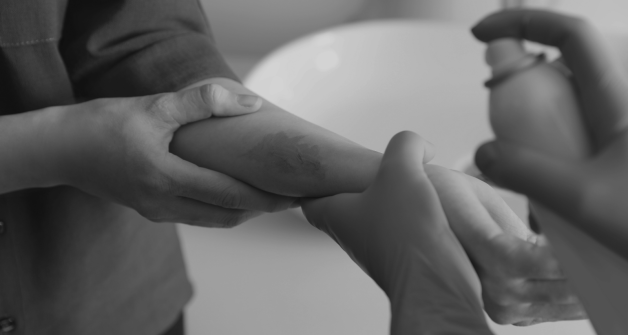
Learn how to treat a burn safely and effectively at home. Discover first aid steps for minor burns, when to seek medical help, and tips for faster healing.
Introduction
Burns and scalds are some of the most common household injuries, yet they can cause serious damage if not treated properly. Whether it’s a splash of boiling water in the kitchen, a hot drink spill, or accidentally touching a hot surface, knowing how to respond quickly can make all the difference.
The right first aid not only helps to reduce pain and limit the severity of the injury but also lowers the risk of complications such as infection or long-term scarring. In this guide, we’ll walk you through the essentials of treating burns and scalds – what to do immediately, what to avoid, and when it’s time to seek professional medical help.
What is the Difference Between a Burn and a Scald?
Although the terms are often used together, there’s a small difference between a burn and a scald:
- Burns are caused by dry heat, such as flames, hot metal, or contact with heated surfaces like an iron or oven tray.
- Scalds are caused by wet heat, typically from steam, boiling water, or hot drinks.
Both types of injuries damage the skin in a very similar way, and the first aid steps you need to take are the same. Burns and scalds are especially common in the kitchen and around children, but they can happen anywhere, from workplace accidents to sun exposure.
Types of Burns and Severity
Not all burns are the same. The seriousness depends on how deeply the skin is affected, and understanding the different levels can help you recognise when medical attention is needed.
Burns are generally classified into three main categories:
- First-Degree Burns (Superficial): These affect only the top layer of skin. The area will look red, feel sore, and may be slightly swollen—similar to mild sunburn. They are usually minor and can often be treated at home.
- Second-Degree Burns (Partial Thickness): These go deeper, damaging both the outer layer and the layer beneath. The skin may appear blistered, red, swollen, and extremely painful. Depending on the size and location, these may require medical treatment.
- Third-Degree Burns (Full Thickness): These are the most serious. They destroy all layers of skin and sometimes the tissue underneath. The burn may look white, blackened, or charred, and surprisingly, it may not be painful if nerve endings are damaged. Third-degree burns always require urgent medical care.
Tip: A quick way to judge severity is by comparing the size of the burn to the person’s hand. If it’s larger than their palm, it’s generally considered serious and needs medical attention.
First Aid for Scalds and Burns
If someone suffers a burn or scald, acting quickly and calmly can make a big difference in their recovery. Here’s what you should do:
Step 1: Remove the person from danger - Make sure the source of heat is no longer a risk. Turn off the heat, remove the person from the hot area, or move away from the cause of the burn.
Step 2: Cool the burn - Place the burn under cool running water for at least 20 minutes. This helps stop the burning process, eases pain, and reduces swelling. If running water isn’t available, use a clean, cool compress.
Step 3: Remove tight items - Take off rings, watches, or clothing near the area before swelling begins. If clothing is stuck to the burn, do not try to remove it: leave it to a medical professional.
Step 4: Cover the burn - Use a clean, non-fluffy dressing, sterile gauze, or even cling film. This keeps the area clean and protected while preventing infection.
Step 5: Provide comfort and reassurance - Give over-the-counter pain relief such as paracetamol or ibuprofen if needed. Keep the person calm and watch for signs of shock (pale, clammy skin, rapid breathing, dizziness).
What Not To Do
When it comes to treating burns and scalds, some common “home remedies” can actually make the injury worse. Here’s what you should avoid:
- Don’t use ice, butter, toothpaste, or oils - These can damage the skin further, trap in heat, and increase the risk of infection.
- Don’t burst blisters - Blisters are the body’s natural protection. Popping them opens the door to infection.
- Don’t apply adhesive dressings directly to the burn - Sticky plasters can tear the delicate skin when removed.
- Don’t ignore signs of infection - Redness, swelling, pus, or worsening pain all need medical attention.
When To Seek Medical Help
While many minor burns can be treated at home, some require professional medical care. Seek help immediately if:
- The burn is larger than the person’s palm.
- The burn affects the face, hands, feet, genitals, or major joints.
- The burn is caused by chemicals or electricity.
- The skin looks white, charred, or leathery (possible third-degree burn).
- The burn is in children, elderly, or vulnerable people.
- You notice signs of infection such as increasing redness, pus, swelling, or fever.
Prompt medical attention can prevent complications, reduce scarring, and ensure proper healing.
Aftercare for Minor Burns
Even after providing first aid, proper care is essential to help a minor burn heal quickly and prevent complications. Keep the burn clean by gently washing the area with mild soap and water, and then cover it with a clean, non-stick dressing. Change the dressing at least once a day, or sooner if it becomes wet or dirty, and manage any pain with over-the-counter remedies such as paracetamol or ibuprofen.
It’s important to watch for signs of infection, including redness, swelling, pus, or increasing pain, and seek medical attention if these occur. Avoid picking or scratching blisters or scabs, allowing them to heal naturally, which helps reduce the risk of scarring. With careful aftercare, most minor burns heal within one to two weeks.
Conclusion
Burns and scalds can happen to anyone, anywhere, but knowing how to respond quickly can make a huge difference in recovery and comfort. By understanding the different types of burns, acting fast with proper first aid, avoiding harmful mistakes, and following careful aftercare, most minor injuries can heal safely at home.
Remember, serious burns – especially those that are large, deep, or affect sensitive areas – always require professional medical attention. Alongside knowing how to treat burns, taking simple preventative measures can help protect yourself and others from future accidents. The best way to stay prepared is by building your confidence and skills through training.
Our Emergency First Aid courses teach practical, hands-on techniques for responding to injuries safely and effectively, giving you the knowledge to act quickly when it matters most. Staying informed and trained is the best way to keep you and your loved ones safe.



Children's Mental Health Week: How to Support a Child or Young Person with Their Mental Health
12th February 2026: Learn how to support a child’s mental health, spot warning signs, start conversations, and know when to escalate concerns during Children’s Mental Health Week.
Read More

Concussion First Aid: Concussion Symptoms, Treatment & Recovery Tips
28th October 2025: Discover how to provide concussion first aid, identify symptoms early, and follow key treatment and recovery tips for a safe outcome.
Read More
.png)
Choking First Aid: What to Do If Someone Is Choking
23rd October 2025: Learn what to do if someone is choking. Follow our step-by-step first aid guide for adults, children, and babies — and know when to call for help.
Read More