

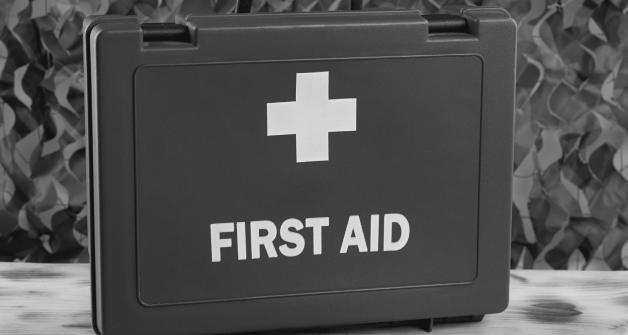
Wondering what should be in a first aid kit at work? This blog breaks down the must-have items to keep your workplace safe, compliant, and fully prepared for any minor or unexpected emergency.
Introduction
Whether you're working in a busy construction site, a quiet office, or a bustling kitchen, having a well-stocked first aid kit at work isn’t just a good idea, it’s a legal requirement. Accidents and injuries can happen at any time, and when they do, a properly equipped first aid kit can make all the difference in responding quickly and effectively.
But what exactly should go into a workplace first aid kit? The contents can vary depending on the nature of your work environment, the number of employees, and specific health and safety risks. In this guide, we’ll walk you through the essentials that every workplace first aid kit should contain, plus additional items you may need based on your setting. Whether you’re updating an existing kit or starting from scratch, this checklist will help you stay compliant, prepared, and protected.
Getting the Basics Right
Before diving into the specific items, it’s important to understand the basic principles behind putting together a workplace first aid kit. It’s not just about ticking off a checklist — it’s about ensuring the kit is practical, accessible, and suitable for your specific work environment.
- Size and Type Matters - The size and contents of your first aid kit should reflect the risks and number of employees in your workplace. A small office might only need a compact kit, while a warehouse, factory, or construction site may require a larger, more comprehensive setup. If your business operates across multiple floors or areas, you may need more than one kit.
- Easy to Find and Access - First aid kits should be clearly labeled and kept in easily accessible locations. Employees should know where the nearest kit is and how to get to it quickly in an emergency.
- Regular Maintenance is Essential - It’s easy to forget about the first aid kit once it’s been set up — but regular checks are crucial. Items can expire, get used, or go missing. Assign someone the responsibility of inspecting the kit at regular intervals and restocking anything that’s been used or has expired.
What Should Be in a First Aid Kit at Work?
If you're in the UK, workplace first aid kits should meet the requirements of BS 8599-1:2019, which outlines the standard contents for small, medium, and large kits depending on your workplace risk assessment. Below is a list of core items that should be included in a British Standard compliant kit:
Plasters
- Assorted sizes to cover a range of minor cuts and grazes
- Should be individually wrapped and hypoallergenic
Sterile Eye Pads
- Used for eye injuries or to protect the eye before medical help arrives
- Usually has a bandage for securing in place
Sterile Dressings
- Medium and large unmedicated dressings to control bleeding and cover wounds
- Comes with a bandage attached for easy application
Triangular Bandages
- Used to create slings or secure limbs
- Ideally non-woven and disposable
Safety Pins
- For securing bandages or dressings
- Included in multipacks
Cleansing Wipes
- Alcohol-free and individually wrapped
- Used to clean the skin around wounds before applying dressings
Adhesive Tape
- For securing dressings or gauze in place
- Hypoallergenic options preferred
Disposable Gloves
- At least one pair per incident
- Should be latex free to reduce allergy risk
Finger Dressings
- Designed for small cuts or injuries to fingers
- Include a dressing pad or bandage in one
Resuscitation Face Shield
- Offers protection during CPR
- Helps reduce the risk of cross infection
Shears
- Blunt ended for safety
- Used to cut clothing, tape or dressings
Content Lists and First Aid Guidance
- Every kit should include a list of contents
- HSE approved leaflet to guide first aiders during an emergency
Choosing the Right Size Kit for Your Workplace
Not all workplaces require the same type or size of first aid kit. The contents and quantity of supplies should reflect both the number of employees and the level of risk in the working environment.
According to BS 8599-1:2019, there are three standard sizes of workplace first aid kits:
- Small - suitable for low risk workplaces such as offices and retail settings. For less than 25 employees.
- Medium - suitable for low risk environments with 25-100 employees, also suitable for higher risk workplaces with less than 25 employees.
- Large - recommended for high risk environments, including construction sites, manufacturing and warehouses.
All employers are legally required to carry out a first aid needs assessment to determine the appropriate size and number of first aid kits, whether additional items are needed for specific risks or hazards, and if trained first aiders are necessary. This assessment should be reviewed regularly, especially if your workforce grows or the nature of your work changes.
Additional Items in your Work First Aid Kit
While the BS 8599-1:2019 standard provides a solid foundation for most workplaces, some environments require extra items to deal with specific hazards. Your first aid needs assessment should identify whether your kit needs to go beyond the basics.
Let’s see some examples
- Blue detectable plasters - required in food preparation areas
- Sharps containers - clinical settings where needles or sharps are used.
- Eye wash solution - for workplaces where dust, chemicals or debris are present.
These additions help ensure your workplace is fully prepared for the specific risks your employees may face, keeping safety standards high and responses effective.
Tips for Managing and Using the First Aid Kit
Having the right items in your first aid kit is only part of the equation — effective management is essential to ensure the kit is ready to use in an emergency. A poorly maintained or inaccessible kit can delay treatment and increase risk.
- Keep the Kit Easily Accessible - Make sure your first aid kit is stored in a visible, clearly labelled, and easily accessible location. In larger workplaces or multi-floor buildings, consider having multiple kits strategically placed.
- Include an Accident Report Book - Keeping an accident book near the first aid kit allows you to log incidents accurately. This not only helps track patterns of injury but also supports your legal obligations under health and safety regulations.
- Review After Any Incident - After the kit has been used, review the incident. Check whether the kit had everything needed, and update it accordingly. This is a great opportunity to identify any gaps and improve future response.
- Provide Basic First Aid Training- Even with a fully stocked kit, it's essential that staff know how to use its contents correctly. Quick, confident action in the moments after an incident can prevent further harm and even save lives.
We deliver First Aid at Work training that equips your team with the knowledge and practical skills to respond effectively. Our courses are compliant with current regulations, tailored to your industry, and available in both on-site and blended formats.
Legal Requirements
Employers have a legal duty to ensure that adequate first aid provisions are in place at work. This includes not only having appropriate equipment and facilities but also ensuring that trained individuals are available to administer first aid when needed.
The Health and Safety (First-Aid) Regulations 1981
In the UK, workplace first aid is governed by the Health and Safety (First-Aid) Regulations 1981. These regulations require all employers to:
- Carry out a first aid needs assessment
- Provide adequate and appropriate equipment, facilities, and personnel
- Ensure employees are informed of first aid arrangements
Your first aid needs assessment should identify whether you require appointed persons to manage first aid arrangements and contact emergency services, or fully trained first aiders to provide immediate care — with the number and level of training required depending on factors such as the type of work carried out, the number of employees, specific workplace hazards, and any history of previous incidents.
Conclusion
A well-equipped and properly maintained first aid kit is a vital part of any workplace’s health and safety setup. By following the guidance set out in BS 8599-1:2019 and tailoring your provisions to your specific risks and environment, you can ensure your business is not only compliant but prepared to respond effectively when it matters most.
Don’t overlook the importance of training — giving your team the skills and confidence to act in an emergency is just as crucial as having the right supplies.
If you’re unsure where to start or need support with training, assessments, or restocking, our team is here to help.



Children's Mental Health Week: How to Support a Child or Young Person with Their Mental Health
12th February 2026: Learn how to support a child’s mental health, spot warning signs, start conversations, and know when to escalate concerns during Children’s Mental Health Week.
Read More

Concussion First Aid: Concussion Symptoms, Treatment & Recovery Tips
28th October 2025: Discover how to provide concussion first aid, identify symptoms early, and follow key treatment and recovery tips for a safe outcome.
Read More
.png)
Choking First Aid: What to Do If Someone Is Choking
23rd October 2025: Learn what to do if someone is choking. Follow our step-by-step first aid guide for adults, children, and babies — and know when to call for help.
Read More