

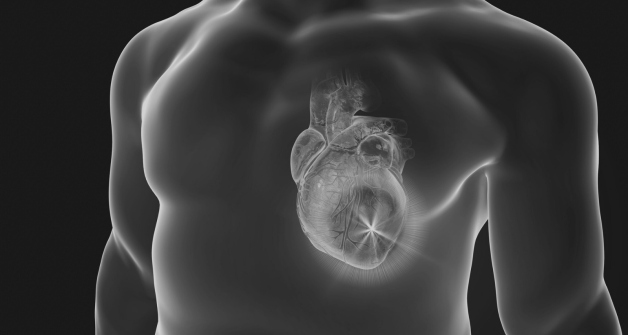
Learn the key differences in heart attack vs. cardiac arrest, including symptoms, causes, and emergency response — knowledge that could save a life.
Introduction
When it comes to heart emergencies, people often confuse the terms cardiac arrest and heart attack. You might even hear them used as if they mean the same thing, but they’re very different conditions. A heart attack happens when blood flow to the heart is blocked, while cardiac arrest occurs when the heart’s electrical system fails, causing it to suddenly stop beating. That’s why understanding Cardiac Arrest vs. Heart Attack is so important.
The difference isn’t just medical jargon, it could save a life. Because the causes and emergency responses are so different, knowing what to do in each situation is critical. In this article, we’ll break down the difference between cardiac arrest and heart attack, explain how they’re linked, highlight the warning signs to look out for, and outline the steps you should take in an emergency. With the right knowledge, you’ll feel more confident about spotting the signs and acting fast when every second counts.
What Is A Heart Attack?
A heart attack, also known as a myocardial infarction, happens when blood flow to part of the heart muscle is blocked. This blockage is usually caused by a build-up of fatty deposits (plaque) inside the arteries. When plaque ruptures, it can form a blood clot that stops blood from reaching the heart. Without enough oxygen-rich blood, the affected part of the heart muscle begins to die.
Common Causes
- Coronary Artery Disease - The most common cause
- Blood Clots - Triggered by the plaque rupture
- Severe Narrowing of the Arteries - Due to long term build up of fatty deposits.
Symptoms
- Heart attack symptoms often start gradually and may last hours or days before coming severe.
- Chest pain, pressure or a squeezing sensation
- Pain spreading to the arms, back, neck or jaw
- Shortness of breath
- Nausea, indigestion, stomach discomfort
- Sweating or lightheadedness
Risk factors
Some people are at a higher risk of experiencing a heart attack, including those with:
- High blood pressure
- High cholesterol
- Diabetes
- A family history of heart disease
- Lifestyle factors such as smoking, poor diet, and lack of exercise
What Is A Cardiac Arrest?
A cardiac arrest happens when the heart suddenly stops beating effectively due to an electrical problem in the heart. This disruption causes the heart to stop pumping blood to the brain, lungs, and other vital organs. Without immediate treatment, cardiac arrest can lead to death within minutes.
Common Causes
- Abnormal Heart Rhythms - also known as arrhythmias, especially ventricular fibrillation.
- Previous Heart Attacks - as it can damage the heart muscle.
- Congenital Heart Conditions - conditions people have had from birth
- Severe trauma, blood loss or drowning
- Electrocution or drug overdose.
Symptoms
- Unlike a heart attack, cardiac arrest happens suddenly and without warning
- Sudden collapse
- No pulse
- No breathing or abnormal gasping
- Loss of consciousness
Why It’s So Dangerous
Cardiac arrest is a true medical emergency. Without blood flow, the brain begins to die within minutes. Survival depends on immediate action – calling emergency services, starting CPR, and using an Automated External Defibrillator (AED) if one is available.
Heart Attack Vs. Cardiac Arrest
| Factors | Heart Attack | Cardiac Arrest |
| Cause | Blockage in the coronary artery stops blood flow to the heart muscle | Electrical Malfunction distrups the hearts rhythm, causing it to stop. |
| Onset | Usually gradual, symptoms may build over minutes, hours or days. | The onset is sudden, often without any warning signs. |
| Symptoms | Chest pain or pressure, pain in the arm/jaw/back, shortness of breath. | Sudden collapse, no pulse, no breathing, loss of consciousness. |
| Heart Status | Still beating but under strain. | Stops beating effectively. |
| Emergency Response | Call emergency services, keep the person calm. | Call emergency services, start CPR and use an AED. |
| Survival Window | Can be hours, depending on the severity and treatment. | Minutes - survival depends entirely on the immediate response. |
How Are Cardiac Arrest and Heart Attacks Linked?
Although cardiac arrest and heart attack are different conditions, they are closely linked. In fact, one can trigger the other.
- A heart attack can damage the heart muscle and disrupt its normal rhythm. In some cases, this can lead to a sudden cardiac arrest.
- However, not everyone who has a heart attack will go into cardiac arrest. Many people survive heart attacks with the right treatment.
- On the other hand, cardiac arrest can happen without any warning signs or history of heart problems — even in people who have never had a heart attack.
Think of it this way: a heart attack is like a blocked pipe that starves the heart of blood, while cardiac arrest is like a power outage that shuts the heart down completely. Sometimes the blockage (heart attack) can cause the power to cut out (cardiac arrest), but each can occur on its own too.
Emergency Response: What To Do
When faced with either a heart attack or cardiac arrest, every second counts. The right response can save a life – but the actions you take depend on the condition.
If You Suspect a Heart Attack
- Call emergency services immediately – don’t wait to see if the pain goes away.
- Keep the person calm and seated – reduce strain on the heart.
- Loosen tight clothing to make breathing easier.
- Be ready to act – if the person loses consciousness and stops breathing, they may have gone into cardiac arrest.
If Someone Goes Into Cardiac Arrest
- Call emergency services straight away – cardiac arrest is life-threatening within minutes.
- Start CPR immediately – push hard and fast in the centre of the chest (about 100–120 compressions per minute).
- Use an Automated External Defibrillator (AED) if available – follow the voice prompts to restart the heart’s rhythm.
- Don’t stop CPR until medical professionals arrive or the person shows signs of life.
Prevention Tips
While you can’t always prevent a heart attack or cardiac arrest, there are steps you can take to lower your risk and be prepared if an emergency happens.
Reduce Your Risk Factors
- Eat a heart-healthy diet: Focus on fruits, vegetables, whole grains, lean proteins, and healthy fats.
- Stay active: Aim for at least 150 minutes of moderate exercise per week.
- Maintain a healthy weight: Extra weight increases strain on your heart.
- Quit smoking: Smoking is one of the biggest risk factors for heart disease.
- Limit alcohol: Keep intake within recommended guidelines.
- Manage medical conditions: Keep blood pressure, cholesterol, and diabetes under control.
Be Prepared for Emergencies
- Learn CPR: Knowing how to perform chest compressions could save someone’s life.
- Familiarise yourself with AEDs: Many public places now have defibrillators – knowing how to use one is crucial.
- Get regular check-ups: Routine health screenings can detect risk factors early.
- Know your family history: If heart disease runs in your family, take extra care with prevention.
Conclusion
Understanding the difference between cardiac arrest vs. heart attack could save a life. While a heart attack is caused by a blockage in blood flow, cardiac arrest is the sudden stopping of the heart due to an electrical failure. Both are medical emergencies, but they require very different responses. The key is acting quickly – recognising the signs, calling emergency services, and stepping in with the right first aid.
That’s why being trained matters. In those first few minutes before professional help arrives, your actions could mean the difference between life and death. Our Emergency First Aid at Work courses give you the confidence and practical skills to respond to situations like heart attacks and cardiac arrests. From learning CPR to understanding how to use an AED, our training ensures you’re prepared when it matters most.
Take the step to be life-ready. Book your Emergency First Aid at Work course today and give yourself, and others, the best chance of survival in an emergency. Check out what previous clients thought about our courses on our testimonials page, and get in contact if you have any questions.



Children's Mental Health Week: How to Support a Child or Young Person with Their Mental Health
12th February 2026: Learn how to support a child’s mental health, spot warning signs, start conversations, and know when to escalate concerns during Children’s Mental Health Week.
Read More

Concussion First Aid: Concussion Symptoms, Treatment & Recovery Tips
28th October 2025: Discover how to provide concussion first aid, identify symptoms early, and follow key treatment and recovery tips for a safe outcome.
Read More
.png)
Choking First Aid: What to Do If Someone Is Choking
23rd October 2025: Learn what to do if someone is choking. Follow our step-by-step first aid guide for adults, children, and babies — and know when to call for help.
Read More